
October 16, 2026
The term black pipe nipple causes confusion because "black" does not describe color alone—it refers to uncoated, non-galvanized carbon steel. The dark mill finish comes from the iron oxide scale left after rolling, not from any paint or plating. In our work supplying to contractors and OEMs, the most common mistake is assuming a black pipe nipple and a galvanized one are interchangeable. They are not, and the difference affects corrosion life, temperature limits, and even code compliance.
This article breaks down what a black steel nipple is, how it is sized and standardized, where it belongs, and what to check before you place a supplier order.
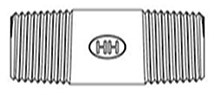
A black pipe nipple starts as plain carbon steel pipe, usually electric-resistance welded (ERW) to ASTM A53 Grade A or B, or seamless A106. The pipe is cut to length and threaded, leaving the natural black oxide surface untouched. No zinc, no plating. That is the entire distinction from its galvanized cousin. A reputable manufacturer will confirm the base pipe spec because the nipple is only as sound as the pipe it came from.

Black pipe nipples are stocked across a wide range. Small sizes from 1/8 inch up to 2 inches cover instrument and branch connections, while 2-1/2 inch through 6 inch and larger serve main-run tie-ins and equipment stubs. Length is the variable buyers most often get wrong. Standard lengths run from "close" (both threads nearly meet) through 1/2, 1, 2, 3, 4, 6, 8, 10, and 12 inches. When a drawing calls for a nipple, the overall length and the thread engagement length must both be stated, or the factory will guess—and guesses cause fit problems.
NPT (tapered) threads per ASME B1.20.1 are standard on a black pipe nipple for North American service. The taper is what creates the seal, assisted by PTFE tape or pipe dope. BSPT is used in many other markets; the two are not compatible. We routinely reject mixed shipments where a buyer assumed "pipe thread" was universal. Confirm the thread form on every order, especially for export or multinational plants.
The practical rule we give procurement teams: choose a black iron nipple for indoor, dry, or high-temperature service where corrosion is slow and coating flaking would be a problem. Choose galvanized for outdoor, humid, or buried service where rust protection matters more than appearance. Notably, galvanizing should not be used above roughly 200°C because the zinc layer can deteriorate and release fumes. A bare black steel nipple is the safer choice in steam and high-heat locations.
A black pipe nipple shows up in more places than most people expect:
Because the black pipe fittings that mate with these nipples share the same uncoated finish, the joint stays consistent and easy to inspect for rust during maintenance.
A clear purchase order to your supplier should list: nominal size, schedule (Sch 40 is default; Sch 80 for pressure), length and thread length, end style (both threaded, one plain, one threaded), material specification, and any finish or certification requirement. If the part feeds a coded system—gas, fire, or potable—name the code so the manufacturer can supply the right documentation. Asking for mill certs on a $2 part feels excessive until a single bad connection shuts a line down.
In everyday trade language, yes. A black iron nipple and a black pipe nipple describe the same uncoated carbon steel part. The steel is mild carbon steel, not pure iron, but the "iron" name is long established in plumbing and gas work.
You can, but they will rust. A black steel nipple has no corrosion protection, so outdoors or in wet areas it should be painted or, better, replaced with a galvanized version. For exposed exterior gas piping, local codes may dictate the finish.
Tradition and code. Interior gas piping has long used black pipe fittings and nipples because the system is dry and the uncoated surface is acceptable. Galvanized is avoided in some gas codes due to concerns about scale or thread-sealing issues, though practice varies by jurisdiction.
For most gas and air lines, a black pipe nipple in Schedule 40 is standard. Where the line sees higher pressure or physical abuse, Schedule 80 adds wall thickness at modest cost. The supplier can advise based on the duty.
A "close" black pipe nipple has threads that nearly meet in the middle, leaving little or no unthreaded section. They are usually produced on a special close-nipple machine or by barstock methods when the length is too short for conventional two-end threading.
A black pipe nipple is a straightforward, uncoated carbon steel connector—but "straightforward" should not mean "unplanned." Get the size, schedule, length, and thread form right, source from a manufacturer that provides material certification, and the part will do its quiet job for decades. Treat it as a specified component rather than a bulk commodity, and your threaded piping will stay leak-free.


