
October 16, 2026
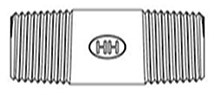
A galvanized pipe nipple is simply a carbon steel nipple with a zinc coating applied to protect the underlying steel from corrosion. The zinc acts as a sacrificial layer—it corrodes first, keeping the steel intact far longer than a bare black steel nipple would in the same environment. For suppliers and plant buyers alike, galvanized nipples are the default answer whenever a threaded connection faces moisture, weather, or mildly corrosive atmosphere.
This guide covers how the coating is applied, where galvanized nipples earn their cost, and how to specify them so the manufacturer delivers a part that performs.
The dominant method is hot-dip galvanizing. The threaded nipple is cleaned, fluxed, and dipped into molten zinc near 450°C, forming a metallurgically bonded coating. This produces a thick, durable layer—typically meeting ASTM A153 for hardware and ASTM A123 for structural shapes. A thinner alternative is electro-galvanizing, which plates zinc electrolytically for a brighter, more uniform look but with less corrosion reserve. Most industrial galvanized pipe nipples are hot-dip because the coating thickness drives service life.
Zinc protects steel two ways. First, it forms a physical barrier. Second, it sacrifices itself—if the surface is scratched, the surrounding zinc continues to protect the exposed steel (cathodic protection). In a galvanized steel nipple, this means a nick from handling will not immediately become a rust spot. In coastal or chemical-atmosphere plants, that margin is the difference between a five-year part and a fifteen-year part.

The advantages we hear factories and maintenance crews cite most:
For a GI pipe nipple (the shorthand for galvanized iron), the economics usually favor it wherever the part is hard to reach for later repainting.
A galvanized pipe nipple is specified across many systems:
When paired with galvanized pipe fittings, the whole joint shares the same protection, which simplifies inspection and extends the assembly life.
When ordering from a supplier, state the nominal size, schedule, length, end type, thread form (NPT default), and the galvanizing standard expected. For threaded hot-dip parts, ask whether threads were cut before or after galvanizing. Cutting threads after galvanizing leaves the thread roots uncoated and vulnerable; cutting before and then restoring thread coating (or using a compatible compound) is the more serviceable route. A careful manufacturer will explain which method they use.
Galvanizing is not universal. Above approximately 200°C the zinc layer can deteriorate and, in confined spaces, release fumes—so hot steam or flue-gas locations call for bare steel. Galvanized surfaces also do not take paint well without special preparation, and in contact with certain chemicals the zinc can fail faster than plain steel. Matching the coating to the medium is part of sound specification.
Service life depends on environment. In rural or dry air, a hot dip galvanized nipple can last 20 years or more. In coastal or heavily industrialized atmospheres, expect roughly 10 to 15 years. The coating thickness—driven by the galvanizing standard—is the main variable.
Mechanically, yes, since both use the same NPT threads. Practically, mixing invites galvanic and appearance mismatch. For corrosion uniformity, keep a run consistent—either all galvanized steel nipples or all black—unless a specific transition is engineered.
For industrial service, yes. A hot dip galvanized nipple carries a thicker, more abrasion-resistant coating with longer life. Electro-galvanizing looks cleaner but offers less corrosion reserve and is better suited to indoor, decorative, or light-duty use.
No special sealant is required beyond standard PTFE tape or pipe dope rated for the medium. Avoid sealants that could react with zinc. Confirm compatibility with your supplier if the line carries aggressive chemicals.
In many regions, yes, galvanized steel has historically been used for potable water, though some codes now restrict or discourage it for new installs because zinc can leach and internal corrosion can occur over time. Always check local plumbing codes before specifying a GI pipe nipple for drinking water.
A galvanized pipe nipple is the right call whenever a threaded connection must survive moisture, weather, or corrosive air. The zinc coating buys years of service that a bare black steel nipple cannot match. Specify the size, schedule, thread form, and galvanizing standard clearly, and work with a manufacturer that documents coating compliance—then the part will outlast the fitting next to it.


